Heating Systems Installation
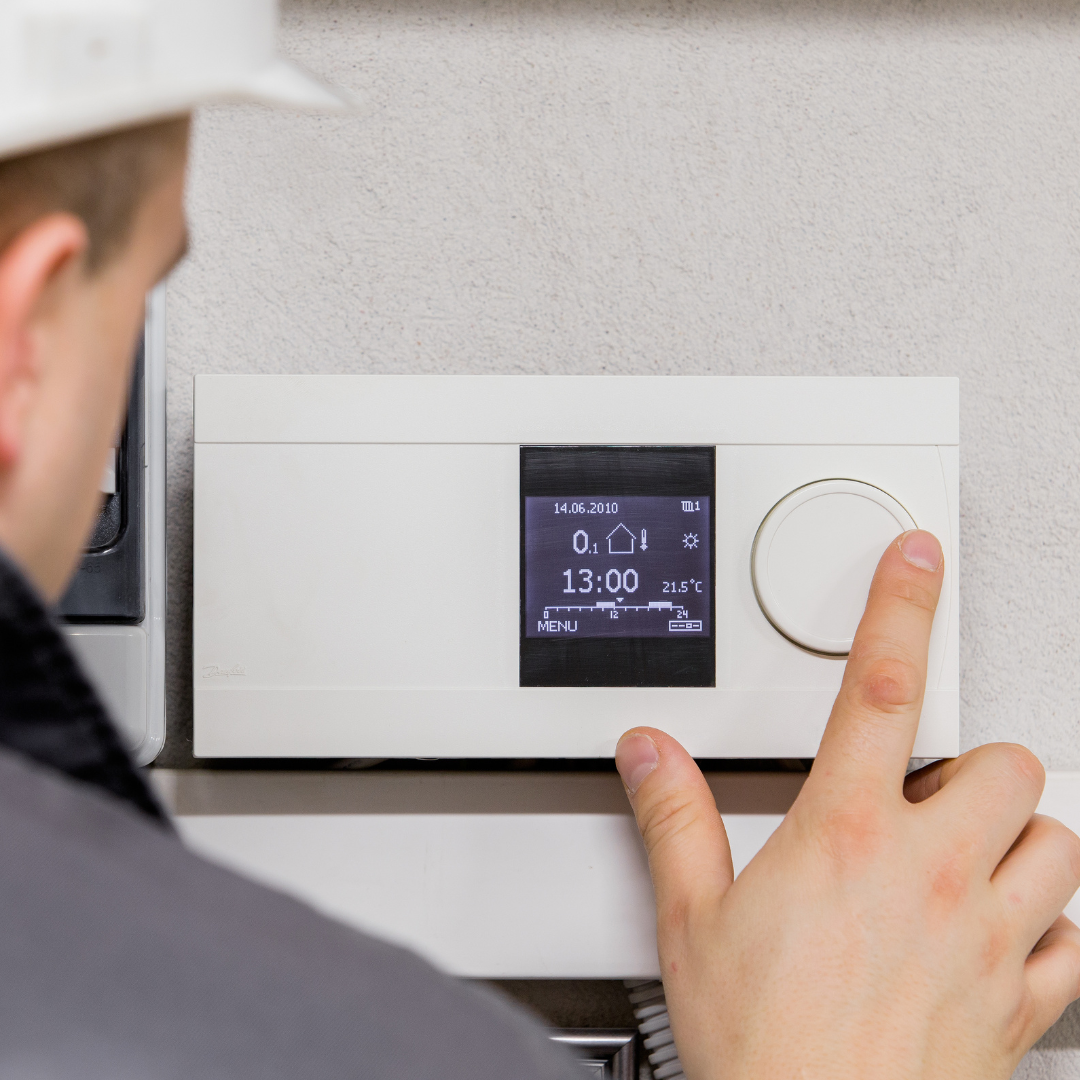
Stay warm and cozy with a professional heating system installation. Our expert technicians deliver tailored heating solutions for you. From energy-efficient furnaces to state-of-the-art heat pumps, we ensure reliable warmth and comfort throughout the cold season.
Why Choose Florida Air Conditioning & Heating for your Heating System Installation?
Local Expertise
We've been here since 1984, and we understand Northwest Florida's unique climate challenges, including occasional freezes temperatures and high humidity.
Energy Efficiency
Cut your power bills with our selection of high-efficiency heating systems perfect for the Gulf Coast's mild winters.
Tailored Solutions
From historic districts to modern areas, we have the right heating system for your space.
Prompt Service
Don't shiver through cold snaps! We offer quick installation appointments to keep you cozy.
Frequently Asked Questions About Heating Systems Installation
-
What are the different types of heating systems, and which is right for me?
There are several common types: gas furnaces, electric furnaces, heat pumps, ductless mini-splits, and hydronic systems. The best fit depends on your local climate (Pensacola area is mild winters, but humidity, insulation, and energy costs matter), fuel availability, your buildingβs ductwork, and your budget. A load calculation by a professional helps determine the ideal system.
-
How do I know what size heating system I need?
Sizing takes into account the buildingβs square footage, ceiling height, insulation, number & type of windows, orientation, and local climate influences. An undersized unit wonβt maintain comfort; an oversized unit wastes energy, cycles too often, and adds wear & tear. We perform this βload calculationβ to ensure the system we install is properly sized.
-
What does installation cost, roughly?
The cost depends on the system type (gas vs electric vs heat pump), its efficiency, whether existing ductwork needs repair or replacement, and the complexity of the installation (access, permits, etc.). In the Pensacola / NW Florida area, estimates ranging widely, so we always provide a free, custom quote.
-
Are there energy efficiency ratings I should be aware of?
Yes. Two of the main ones are:
- AFUE for furnaces (Annual Fuel Utilization Efficiency)βhow much fuel is converted to heat vs wasted.
- HSPF / SEER (for heat pumps) or similar ratings. Higher efficiency means lower energy bills over time. Also check for ENERGY STAR certified units.
- AFUE for furnaces (Annual Fuel Utilization Efficiency)βhow much fuel is converted to heat vs wasted.
-
Do I need permits for heating system installation in Florida?
Yes. In Florida, licensed HVAC contractors are required to obtain building/mechanical permits for installing, replacing, or removing heating systems. These permits ensure that installations comply with the Florida Building Code and local regulations. -
How long will my heating system last?
With proper installation and regular maintenance, heating systems often last 15 to 20 years (sometimes longer if well maintained, moderate load). But factors like usage, maintenance frequency, climate, and equipment quality all affect actual lifespan.
-
What maintenance is needed after installation?
To ensure your new heating system runs efficiently and reliably:
- Replace or clean air filters regularly (every 1-3 months, depending on filter type and use)
- Keep area around the system clear and ensure proper airflow
- Schedule annual professional tune-ups before the heating season begins
- Check for leaks, odd smells, or unusual noises and report them promptly
- Replace or clean air filters regularly (every 1-3 months, depending on filter type and use)
-
Can I install the heating system myself?
Itβs strongly recommended to use licensed, insured HVAC professionals. Heating system installation involves gas or electric connections, correct venting, safety controls, proper sizing, permits, and compliance with building codes. Incorrect installation risks safety hazards, higher utility costs, or voided warranties.
-
How can I save on energy bills with a new heating system?
Here are some tips:
- Choose high-efficiency equipment
- Ensure your building is well insulated and sealed against drafts
- Use a programmable or smart thermostat
- Maintain your system regularly (clean filters, coils, etc.)
- Consider zoning (if possible) so only occupied areas are heated
- Choose high-efficiency equipment
How to Choose the Right Heating System for Your Home
Choosing the right heating system for your home is more than just selecting a unit that warms the air β itβs about making a smart, long-term decision that balances energy efficiency, comfort, and cost. In our Florida climate, some heating systems make more sense than others. Hereβs a guide to help you make the best choice.
1. Understand the Heating Options
There are several types of heating systems to consider, each with different strengths:
- Heat Pumps
Heat pumps are very common in mild climates like Florida because they both heat and cool your home. During the winter, they extract heat from the outside air and move it indoors, and in summer, they reverse the process. - Furnaces
These generate heat by burning fuel (like natural gas) or using electric resistance. They produce warm air very quickly but are more common in colder climates. - Ductless Mini-Splits
Ideal for homes without existing ductwork or for heating (and cooling) individual rooms. - Hybrid Systems (Dual-Fuel)
These combine a heat pump with a furnace. The system can switch to the furnace when outside temperatures drop too low for the heat pump to operate efficiently.
2. Focus on Efficiency Metrics
When comparing systems, look closely at their efficiency ratings. These tell you how much heating youβll get per unit of energy β crucial for keeping costs down.
- HSPF (Heating Seasonal Performance Factor): This measures how efficient a heat pump is over the full heating season. Higher HSPF = better efficiency. Modern heat pumps often have HSPF ratings of 8 or more.
- SEER (Seasonal Energy Efficiency Ratio): Normally used for cooling, SEER also applies to heat pumps. In Florida, where cooling is a big part of the equation, SEER is very important.
- AFUE (Annual Fuel Utilization Efficiency): This measures how efficient a furnace is at converting fuel (gas or electric) into heat. High-efficiency furnaces can hit AFUE ratings of 95β98%.
3. Consider Your Homeβs Layout & Ductwork
- If your home already has ductwork in good condition, a ducted system (heat pump or furnace) may be the most straightforwardβand cost-effectiveβoption.
- But if your ductwork is old or leaky, or if you're only heating certain parts of your house, a ductless mini-split system gives you flexibility and efficiency by bypassing those losses.
- Make sure any installer you work with performs a load calculation (Manual J) to size your heating equipment correctly. Oversized systems waste energy; undersized units wonβt keep up.
4. Think About Operating & Installation Costs
- Upfront cost: Heat pumps can cost more to install than a simple furnace, depending on the model and efficiency.
- Monthly / year-round cost: Thanks to their efficiency, heat pumps often have lower electricity usage over time.
- Maintenance: A well-maintained system lasts longer and performs more efficiently.
5. Prioritize Comfort Features
When choosing a system, it's not just about heatβitβs about how comfortable your home feels.
- Variable-speed motors: These adjust airflow to match your comfort needs, which means quieter operation and better humidity control.
- Smart or programmable thermostats: Help you optimize system usage and lower energy bills.
- Zoning: If you have different parts of your home that you use differently (like a guest room, attic, or office), zoning can help you heat efficiently only where it's needed.
6. Why Heating System Installation Quality Matters
Even the best heating system wonβt perform well if itβs installed incorrectly. Proper installation is critical: the right airflow, duct connections, refrigerant charge, and proper sizing make a massive difference in how effectively and efficiently your system operates.
Hiring licensed, experienced HVAC installers is essential. At Florida Air Conditioning & Heating, our team knows the unique demands of homes in Pensacola, Gulf Breeze, and the surrounding areas - especially when it comes to heating.
7. Rebates, Warranty & Long-Term Support
- Ask about rebates or incentives for high-efficiency systems β many manufacturers and utilities provide them.
- Make sure your system comes with a strong warranty, and understand what is and isnβt covered.
- Consider joining our maintenance plan so your system gets regular tune-ups - keeping it running efficiently and extending its life.
Get Started with Your Heating System Installation
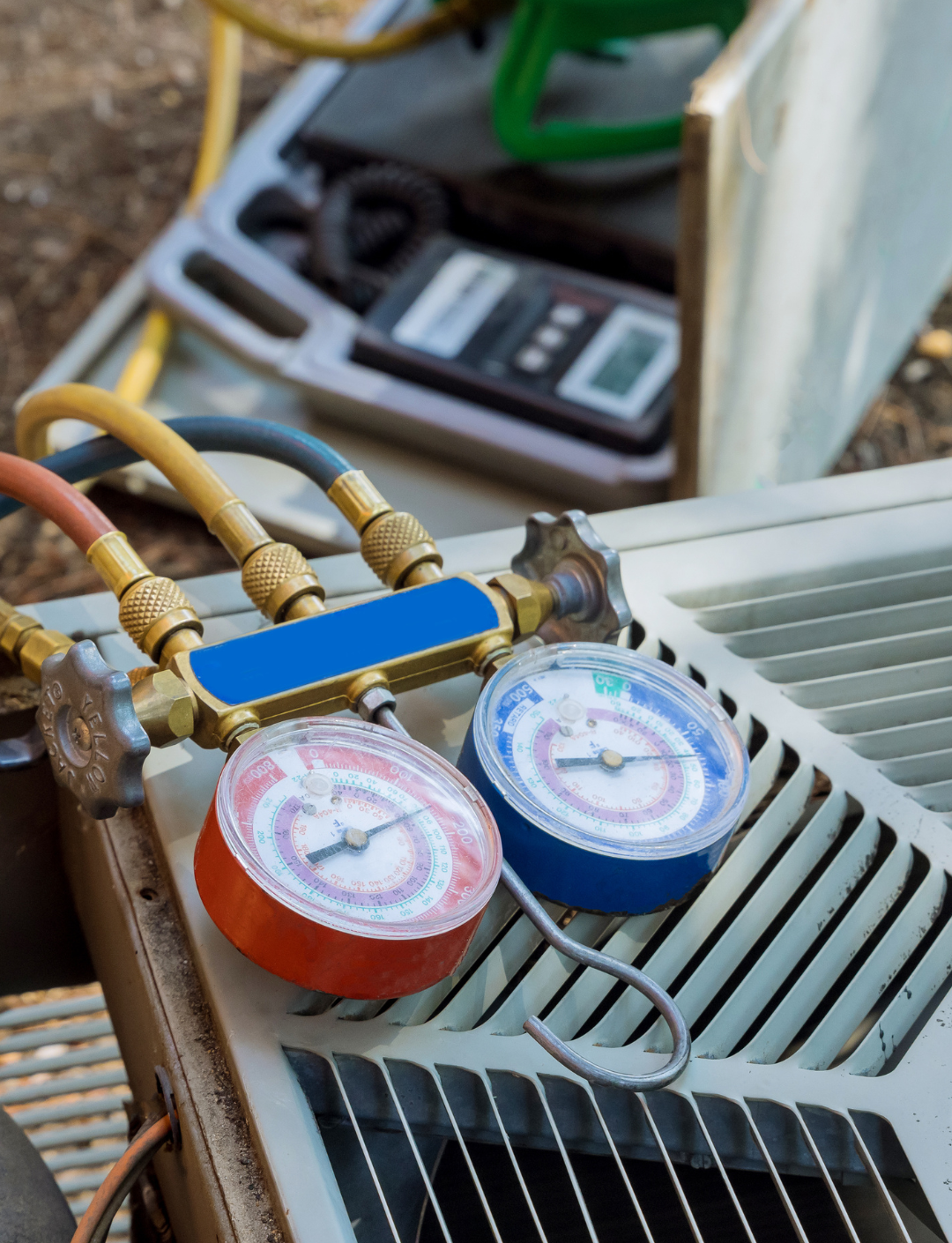
Don't let our next cold snap catch you unprepared. Contact us today for a heating system installation quote. Our team is ready to help you stay warm and comfortable all winter long.
Call us at (850) 944-4002 or message us in the web chat to schedule your consultation. Experience why we're Northwest Florida's local and trusted choice.
FREE SECOND OPINION
At Florida Air Conditioning & Heating, we offer Free Second Opinions to help you make the best decision for your home and budget.
Our Articles
View all-
Why Is My Home So Humid Even When Itβs Cold Out...
Florida is known for its year-round humidity, but many homeowners in the Panhandle are surprised to find that their homes feel damp and sticky even on cold days. You might...
Why Is My Home So Humid Even When Itβs Cold Out...
Florida is known for its year-round humidity, but many homeowners in the Panhandle are surprised to find that their homes feel damp and sticky even on cold days. You might...
-
Why Dust Increases When You Turn on the Heat
When the temperatures drop in Florida, homeowners turn on their heat for the first time in months. Many are surprised to see dust floating through the air or settling on...
Why Dust Increases When You Turn on the Heat
When the temperatures drop in Florida, homeowners turn on their heat for the first time in months. Many are surprised to see dust floating through the air or settling on...
-
Why Your Heater Smells When You Turn It On (and...
When cooler weather arrives in Florida, many homeowners turn on their heaters for the first time in months and immediately notice an unusual smell. This can be surprising, especially since...
Why Your Heater Smells When You Turn It On (and...
When cooler weather arrives in Florida, many homeowners turn on their heaters for the first time in months and immediately notice an unusual smell. This can be surprising, especially since...
-
How Fall Humidity Affects Your Comfort (and You...
Florida fall weather might feel milder than summer, but humidity levels remain consistently high - especially along the Gulf Coast. Even when temperatures drop, moisture in the air can make...
How Fall Humidity Affects Your Comfort (and You...
Florida fall weather might feel milder than summer, but humidity levels remain consistently high - especially along the Gulf Coast. Even when temperatures drop, moisture in the air can make...