
Why Florida Homes Need Better Dehumidification
Share
Florida is known for its beautiful beaches, warm weather, and high humidity. While most homeowners expect hot temperatures, many underestimate how much moisture in the air can affect their comfort, health, and HVAC system. In many cases, humidity is just as important as temperature when it comes to creating a comfortable home.
If your home feels sticky even with the air conditioner running, or if you notice condensation, musty odors, or higher energy bills, your home may need better dehumidification. Understanding why humidity matters can help you improve indoor comfort while reducing unnecessary strain on your HVAC system.
Why Humidity Is Such a Big Problem in Florida
Florida's climate creates the perfect environment for high indoor humidity. Every time warm outdoor air enters your home through open doors, windows, or small air leaks, it brings moisture inside.
Even well-sealed homes can experience elevated humidity levels because air conditioners spend much of the year removing both heat and moisture from the air. During especially humid days, your AC system may struggle to keep up if it is not operating efficiently or if it is not properly sized for your home.
Your Home May Feel Warm Even When the Thermostat Says It Is Cool
One of the biggest signs of excess humidity is feeling uncomfortable even though your thermostat is set to a cool temperature. High humidity prevents sweat from evaporating efficiently, making your body feel warmer than the actual air temperature.
Many homeowners lower the thermostat to compensate, causing the air conditioner to run longer and increasing energy costs without fully solving the problem.
High Humidity Can Increase Energy Bills
When humidity levels are high, your air conditioner must work harder and run longer to remove moisture from the air. Longer run times mean greater electricity usage and higher monthly utility bills.
Improving humidity control can often make your home feel cooler without lowering the thermostat, helping reduce cooling costs throughout the year.
Excess Moisture Can Affect Indoor Air Quality
Too much indoor humidity can contribute to musty odors and create conditions that encourage mold and mildew growth. Dust mites also thrive in humid environments, which may worsen allergy symptoms for some homeowners.
Maintaining proper humidity levels helps create a healthier and more comfortable indoor environment for your family.
High Humidity Places More Stress on Your HVAC System
When your air conditioner constantly removes excess moisture, it operates for longer periods and experiences additional wear on important components.
Over time, this extra workload can contribute to increased maintenance needs, higher repair costs, and a shorter system lifespan.
Signs Your Home May Need Better Dehumidification
Several warning signs may indicate that your home has excessive humidity. These include a sticky or clammy feeling indoors, condensation on windows, musty smells, mold or mildew growth, higher than normal energy bills, and an air conditioner that seems to run constantly.
If you notice one or more of these symptoms, it may be time to have your HVAC system evaluated.
How Better Dehumidification Improves Comfort
Improving humidity control allows your home to feel cooler at the same thermostat setting. This means greater comfort, lower energy consumption, improved indoor air quality, and less strain on your HVAC equipment.
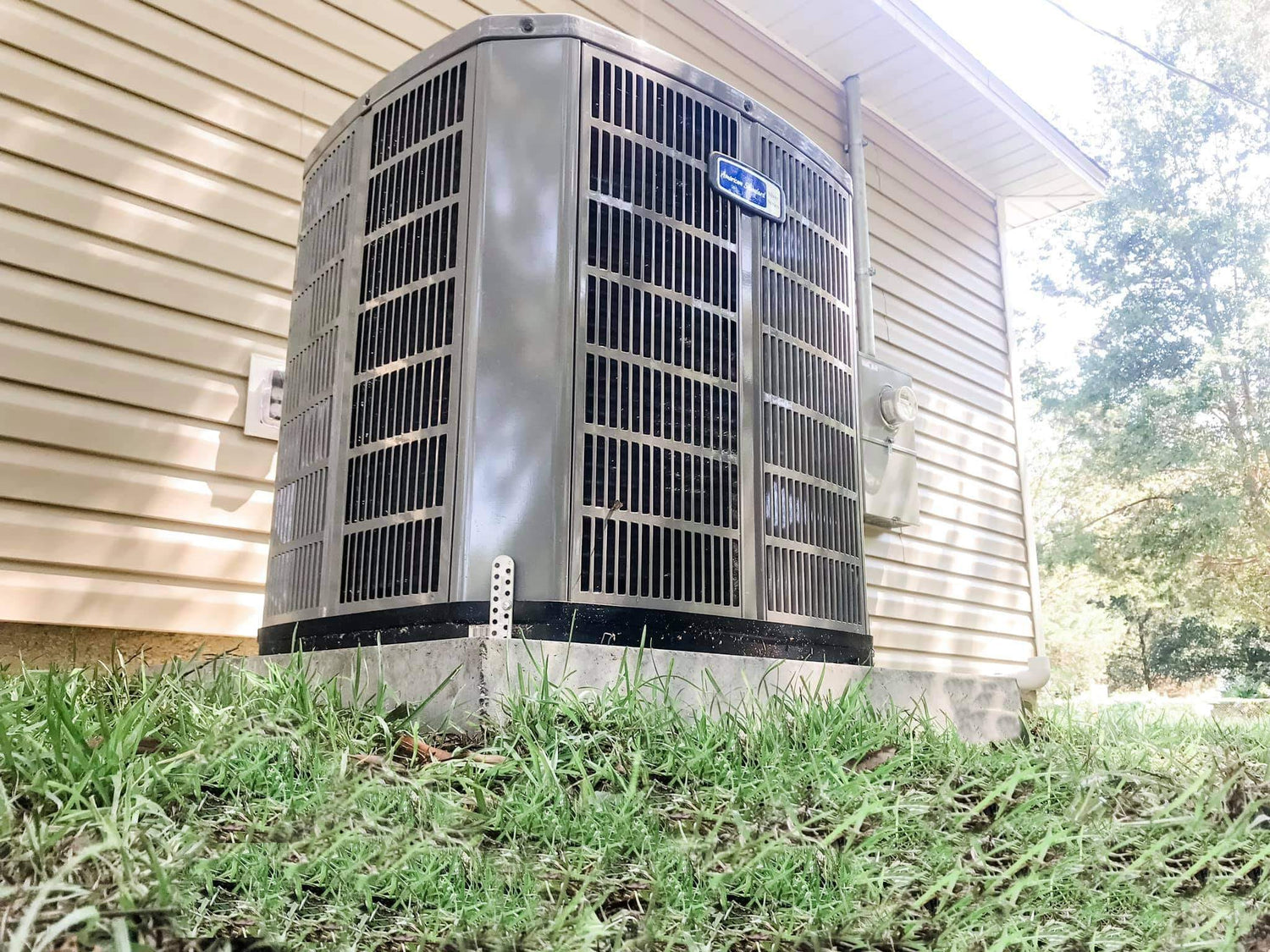
Depending on your home's needs, solutions may include HVAC maintenance, repairing duct leaks, improving insulation, adjusting airflow, or installing a whole home dehumidifier.
Professional HVAC Evaluations Can Identify Humidity Problems
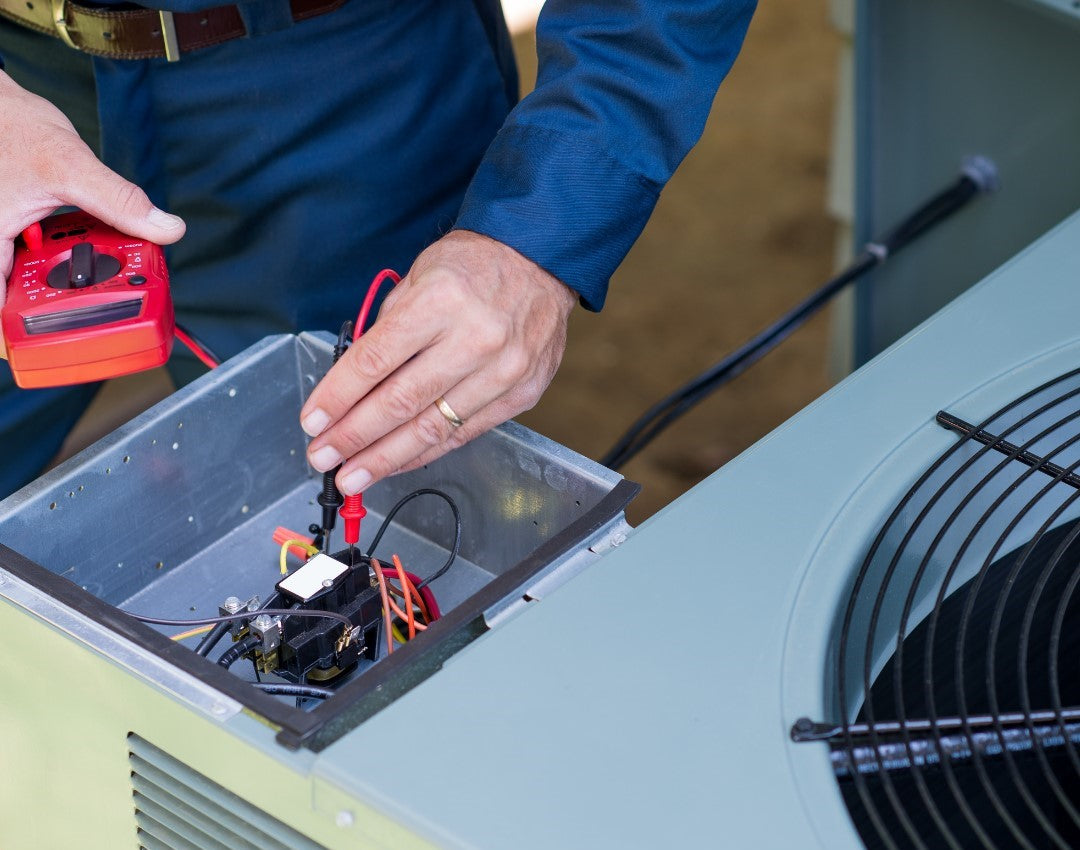
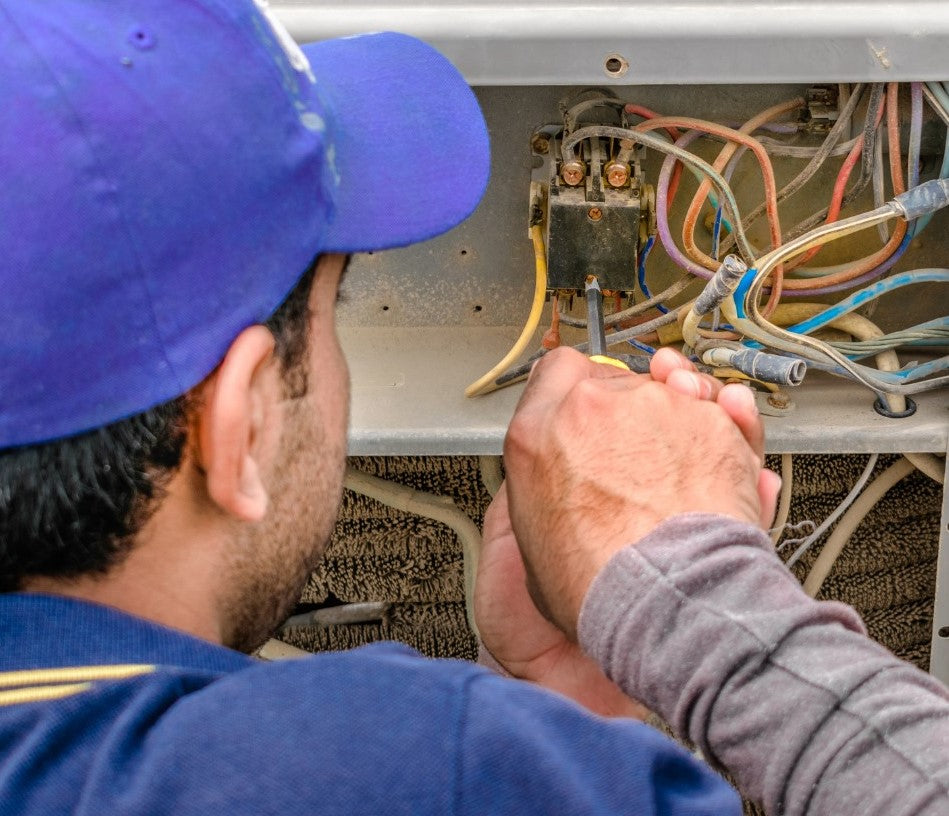
Many humidity issues are caused by factors that are difficult for homeowners to identify on their own. An HVAC professional can inspect your system, evaluate airflow, check refrigerant levels, inspect ductwork, and determine whether your equipment is properly sized for your home.
Addressing humidity problems early can improve comfort while helping protect both your HVAC system and your home.
FAQ
What is the ideal indoor humidity level for a Florida home?
Most HVAC professionals recommend maintaining indoor humidity between 30 percent and 50 percent. Keeping humidity within this range helps improve comfort and reduces the risk of mold growth.
Why does my house feel sticky even when the AC is running?
Your air conditioner may not be removing enough moisture from the air. This could be caused by high outdoor humidity, an oversized system, poor airflow, dirty components, or other HVAC issues.
Can high humidity increase my electric bill?
Yes. Excess humidity forces your air conditioner to run longer, increasing electricity usage and monthly cooling costs.
Will a dehumidifier help my HVAC system?
Yes. A whole home dehumidifier can reduce the amount of moisture your air conditioner must remove, improving comfort and reducing strain on the HVAC system.
Can high humidity damage my home?
Yes. Excess moisture can contribute to mold growth, mildew, warped wood, peeling paint, and other moisture-related problems if left untreated.
How do I know if my HVAC system is controlling humidity properly?
If your home feels comfortable, does not have musty odors, maintains consistent temperatures, and has minimal condensation or moisture problems, your system is likely controlling humidity effectively.
Should I have my HVAC system inspected if my home feels humid?
Yes. A professional HVAC inspection can identify airflow problems, refrigerant issues, duct leaks, or equipment sizing concerns that may be contributing to excessive indoor humidity.