
Why You Should Check Your Thermostat Before Cooler Weather Arrives
Share
As Florida begins transitioning from hot summer temperatures to cooler fall weather, homeowners are starting to use their heating systems again. Before turning on the heat for the first time, it is a good idea to check your thermostat.
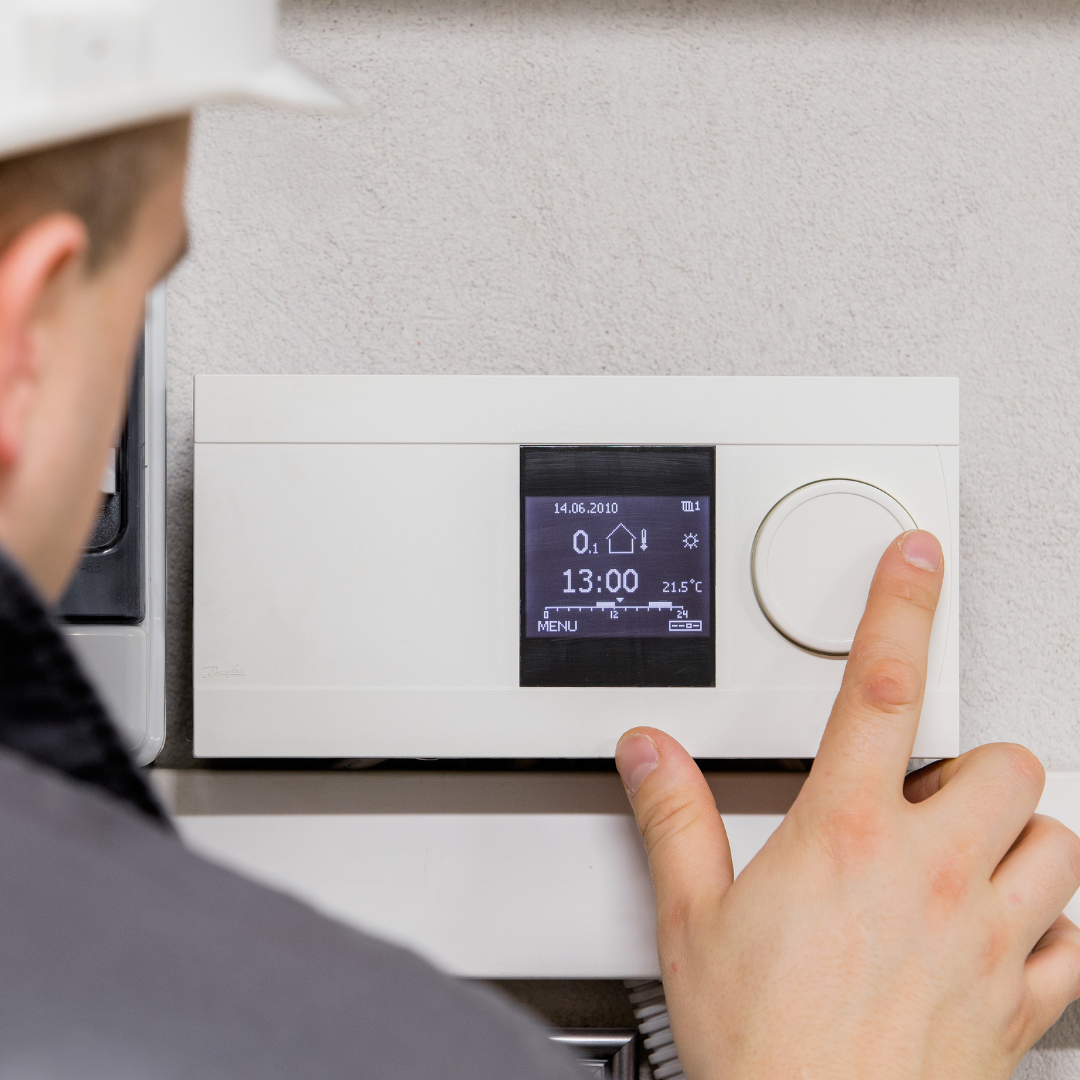
Your thermostat plays an important role in controlling your home's temperature and telling your HVAC system when to heat or cool. If the thermostat is not working properly, your heating system may not operate when you need it.
Taking a few minutes to check your thermostat before cooler weather arrives can help you identify potential problems early and make sure your home is ready for the changing season.
Your Thermostat Controls Your HVAC System
Your thermostat communicates with your HVAC system and tells it when to turn on and off based on the temperature setting.
If the thermostat is malfunctioning, incorrectly configured, or unable to communicate properly with the HVAC equipment, your heating system may not operate as expected.
Because Florida homeowners may go months without using the heating function, checking the thermostat before cooler weather arrives is an easy way to make sure everything is ready.
Check Your Thermostat Batteries
If you have a thermostat that uses batteries, one of the simplest things you can do before fall is replace the batteries if they are getting old.
Weak batteries can cause the thermostat display to become dim, disappear completely, or stop communicating properly with the HVAC system.
Replacing the batteries before you need your heat can help prevent an inconvenient problem on a cold morning.
Make Sure Your Thermostat Is Set to Heat
After months of using your air conditioner, your thermostat may still be set to cooling mode.
Before temperatures drop, check that the system is set to "Heat" and that the desired temperature is higher than the current indoor temperature. This allows the heating system to receive a call for heat when you test it.
If your thermostat has multiple operating modes, make sure you understand which setting is controlling your HVAC system.
Test Your Heating System Before You Need It
One of the most important reasons to check your thermostat is to test your heating system before the first truly cold night.
After switching the thermostat to heat, allow the system to operate for a few minutes. You should be able to determine whether warm air is coming from the vents and whether the system appears to be operating normally.
Testing your heating system early gives you time to schedule service if something is not working correctly.
Check the Thermostat Temperature Reading
Your thermostat should provide a reasonably accurate representation of your home's indoor temperature.
If the thermostat says your home is 72 degrees but the house feels significantly warmer or colder, the thermostat may not be reading the temperature accurately.
An inaccurate temperature reading can cause your HVAC system to run too frequently, not run often enough, or have difficulty maintaining the temperature you want.
Look for Warning Messages or Error Codes
Modern digital and smart thermostats may display warning messages or error codes when they detect a problem.
If you see an unfamiliar message, check your thermostat's documentation for an explanation. Depending on the issue, you may need professional HVAC service.
Ignoring a warning could allow a small problem to become more complicated later.
Check Your Thermostat's Programming
Programmable and smart thermostats can automatically adjust your home's temperature according to a schedule.
Before cooler weather arrives, review your programmed settings to make sure they still match your household's schedule and comfort preferences.
A schedule that worked during the summer may not make sense during the fall and winter. Updating your settings can help you avoid unnecessary heating and make your home more comfortable.
Make Sure the Thermostat Is Not Blocked
The location of your thermostat can affect how accurately it measures the temperature.
If furniture, curtains, decorations, or other objects block the thermostat, air may not circulate around it properly. This can cause the thermostat to receive an inaccurate reading of the home's temperature.
Keeping the area around the thermostat clear can help it measure indoor conditions more accurately.
An Old Thermostat May Need to Be Replaced
Thermostats can wear out over time. Older thermostats may become less accurate, develop electrical problems, or simply lack features that can improve temperature control.
If your thermostat is several years old and you are experiencing inconsistent temperatures or unusual HVAC behavior, replacing the thermostat may be worth discussing with an HVAC professional.
A newer programmable or smart thermostat may also provide more precise temperature control and scheduling options.
When Should You Call an HVAC Professional?
If your thermostat appears to be working but your heating system does not turn on, the problem may be somewhere else in the HVAC system.
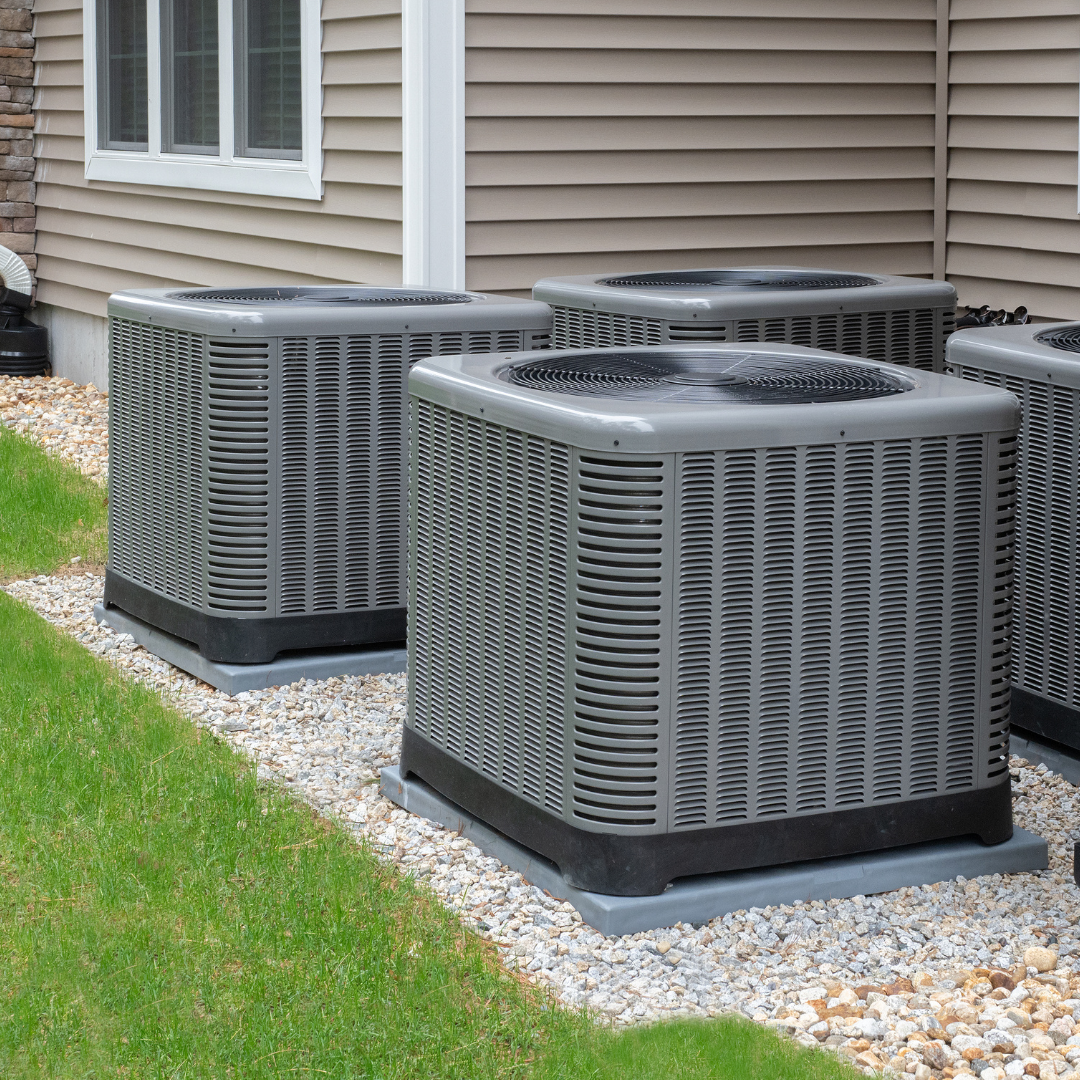
Issues involving electrical components, wiring, the heat pump, blower motor, heating elements, or other HVAC components require professional diagnosis.
If you test your system before cooler weather arrives and notice that it is not producing heat, it is better to schedule service before you actually need the heating system.
A Thermostat Check Can Help You Prepare for Fall
Florida weather can change quickly during the fall. You may still need your air conditioner during warm afternoons while needing heat on cooler mornings and evenings.
Checking your thermostat before cooler weather arrives is a simple step that can help ensure your HVAC system is ready for the transition.
Taking care of thermostat problems early can help you avoid uncomfortable surprises and give you greater confidence that your home will stay comfortable as temperatures begin to fall.
FAQ
How do I know if my thermostat is working properly?
Check that the display is functioning, the temperature reading appears reasonable, the thermostat responds when you change the settings, and your HVAC system responds when you call for heating or cooling.
Should I change my thermostat batteries before winter?
If your thermostat uses batteries and they are getting old, replacing them before cooler weather arrives can help prevent the thermostat from losing power when you need your heating system.
What should I set my thermostat to when I first turn on the heat?
Choose a comfortable temperature that is slightly higher than the current indoor temperature. This allows you to test whether the heating system responds properly without immediately demanding a large temperature increase.
Why won't my heater turn on when I change the thermostat to heat?
The problem could involve the thermostat, batteries, wiring, electrical components, or the HVAC system itself. If basic thermostat checks do not solve the problem, professional HVAC service may be necessary.
Why does my thermostat say one temperature but my house feels different?
The thermostat may be located in an area that does not accurately represent the temperature throughout your home, or the thermostat itself may not be reading correctly. HVAC airflow and insulation issues can also contribute to uneven temperatures.
How often should a thermostat be replaced?
There is no universal replacement schedule. A thermostat can last for many years, but replacement may be appropriate if it becomes unreliable, inaccurate, damaged, or incompatible with a newer HVAC system.
Can a bad thermostat cause high energy bills?
Yes. A malfunctioning or improperly programmed thermostat can cause your HVAC system to run more frequently or maintain temperatures that use more energy than necessary.
Should I check my thermostat before turning on my heat?
Yes. Checking the thermostat and briefly testing your heating system before cooler weather arrives gives you an opportunity to identify problems before you actually need your heat.