
Why Does My AC Run Fine at Night but Struggle During the Day?
Share
Many Florida homeowners notice a frustrating pattern during the summer. Their air conditioner seems to work perfectly at night, but once the hottest part of the day arrives, the house suddenly feels warmer and less comfortable.
If your AC cannot keep up during the afternoon but cools normally after sunset, you are not alone. Florida's extreme heat and humidity can expose underlying HVAC problems that may not be noticeable during cooler nighttime temperatures.
Understanding why your system struggles during the day can help you identify problems early and avoid costly repairs.
The Outdoor Temperature Is Significantly Higher During the Day
Your air conditioner removes heat from inside your home and releases it outdoors. When outside temperatures rise into the 90s, your system has to work much harder to transfer that heat.
At night, outdoor temperatures drop, making it easier for your air conditioner to operate efficiently. During the afternoon, the increased heat places much greater demand on the system.
While longer run times are normal during a Florida summer, your home should still remain reasonably comfortable.
Your AC System May Need Maintenance
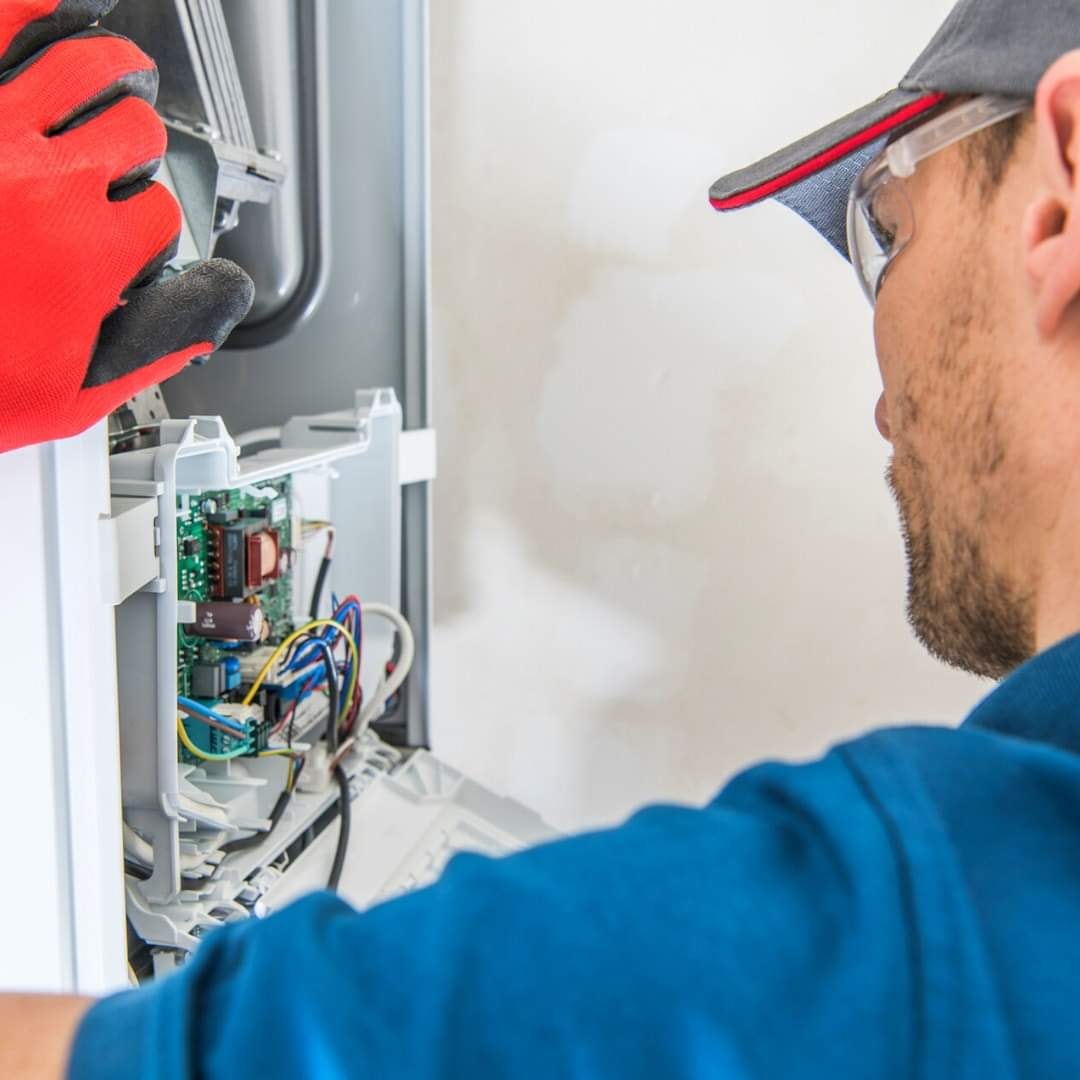
A system that has not been professionally maintained may struggle during the hottest part of the day.
Dirty condenser coils, clogged filters, worn components, and restricted airflow reduce efficiency. These problems may not be obvious during cooler evening hours, but they often become noticeable when temperatures peak.
Regular maintenance helps ensure your system is prepared to handle Florida's intense summer heat.
Your Air Filter May Be Restricting Airflow
A dirty air filter is one of the simplest and most common causes of poor cooling performance.
When airflow becomes restricted, your system cannot circulate enough cooled air throughout the home. The result is longer run times and reduced cooling capacity.
Replacing your air filter regularly can improve airflow and help your AC perform more efficiently.
Your Home May Have Air Leaks
Small gaps around windows, doors, and other areas allow hot outdoor air to enter your home throughout the day.
As the sun heats your home, these air leaks become even more noticeable. Your air conditioner must constantly work to replace cooled air that escapes while also cooling the warm air entering your home.
Sealing air leaks can significantly improve comfort and reduce energy costs.
Your Home May Have Poor Insulation
Attics in Florida can become extremely hot during the summer. Without proper insulation, heat can transfer into your living spaces throughout the day.
Even a well-functioning air conditioner may struggle to overcome the additional heat entering your home through the attic, walls, and windows.
Improving insulation often reduces the workload placed on your HVAC system.
Your AC System May Be Low on Refrigerant
Low refrigerant levels reduce your system's ability to remove heat from your home.
A refrigerant leak may not completely stop cooling, but it can significantly reduce efficiency. You may notice that your home cools adequately at night but struggles during the hottest hours of the day.
Low refrigerant should always be addressed by an HVAC professional.
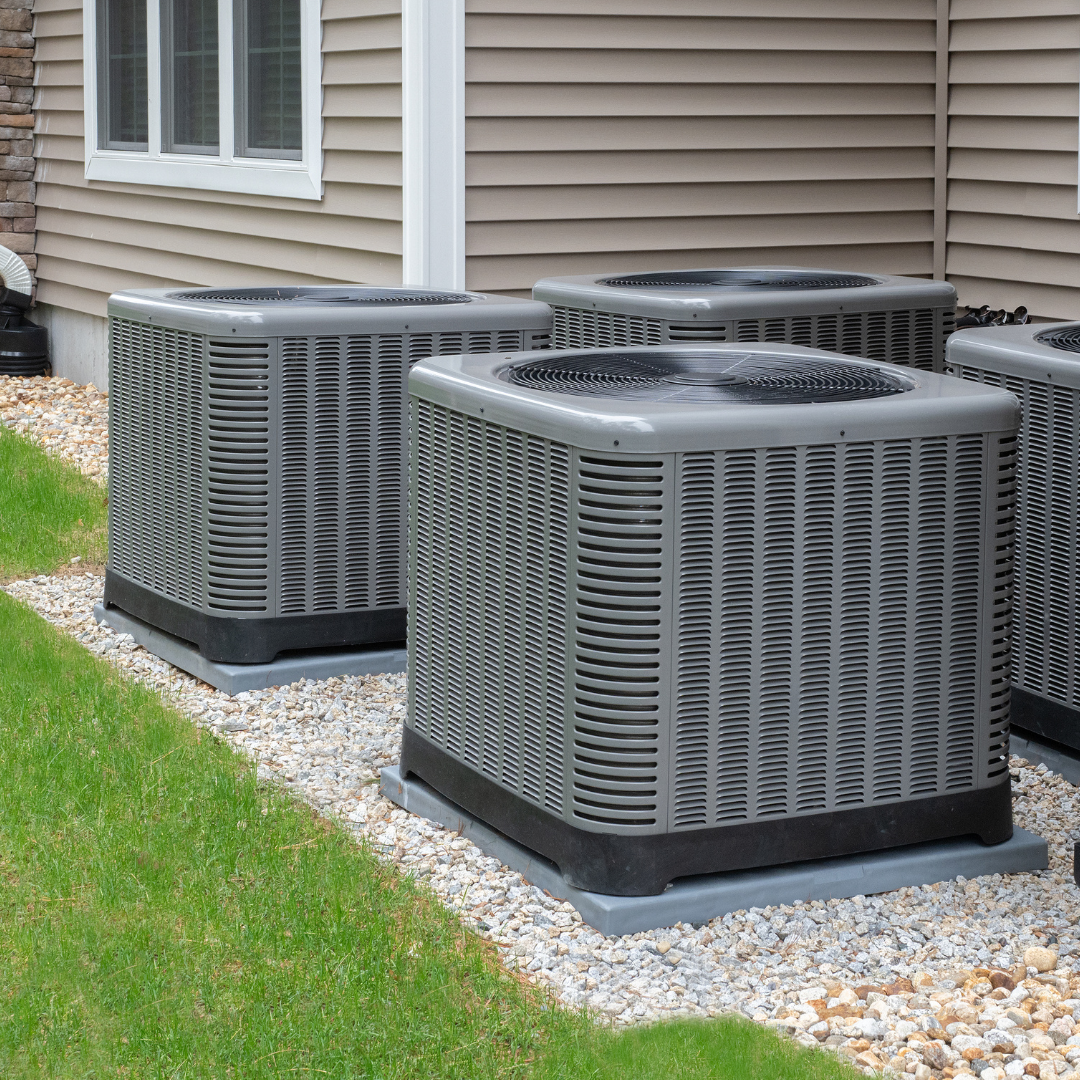
The Outdoor Unit May Be Dirty
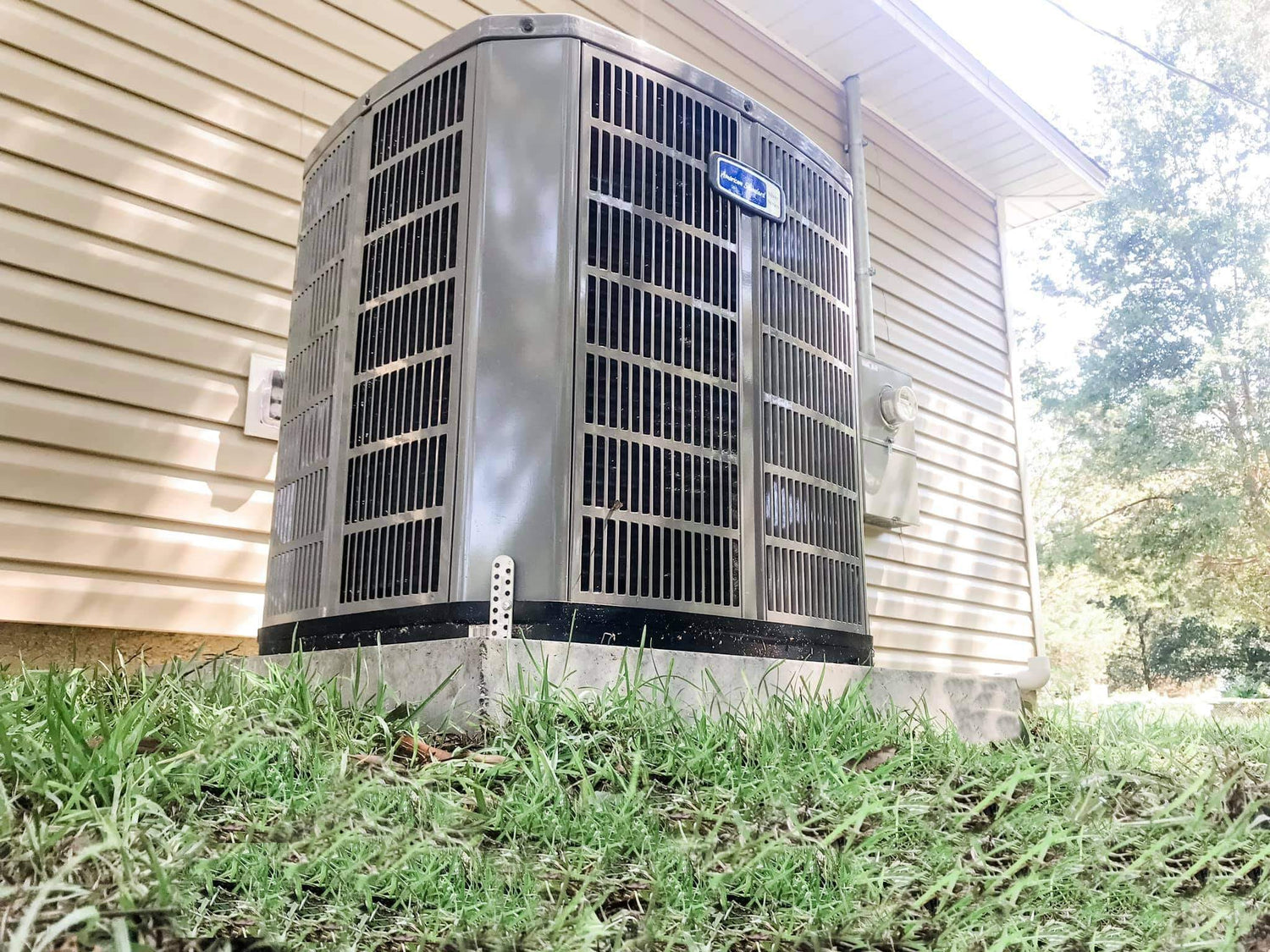
Your outdoor condenser unit depends on unrestricted airflow to release heat efficiently.
Grass clippings, dirt, leaves, and other debris can accumulate around the unit and reduce performance. During extreme daytime temperatures, even minor airflow restrictions can have a noticeable impact on cooling.
Keeping the area around your outdoor unit clean can help improve efficiency.
Your AC System May Be Aging
Older HVAC systems naturally lose efficiency over time. Components wear out, cooling capacity decreases, and the system becomes less capable of handling extreme temperatures.
If your system is more than 10 years old and struggles every summer, it may be time to discuss repair or replacement options.
When Should You Call an HVAC Professional?
If your AC consistently cools your home at night but cannot maintain comfortable temperatures during the day, a professional inspection can help identify the cause.
Addressing problems early can improve comfort, lower energy bills, and reduce the risk of a complete system failure during the hottest months of the year.
FAQ
Why does my AC work better at night than during the day?
Lower outdoor temperatures make it easier for your air conditioner to remove heat from your home. During the day, extreme temperatures and humidity place much greater demand on the system.
Is it normal for my AC to run longer during the afternoon?
Yes. Longer run times are common during Florida summers. However, your home should still remain reasonably comfortable.
Can a dirty air filter cause my AC to struggle during the day?
Yes. Restricted airflow reduces cooling performance and often becomes more noticeable during periods of extreme heat.
Can poor insulation make my AC less effective?
Yes. Poor insulation allows heat to enter your home more easily, increasing the workload on your air conditioner.
How do I know if my AC is low on refrigerant?
Common signs include longer run times, reduced cooling, higher energy bills, frozen coils, and difficulty maintaining the thermostat setting.
Should I replace my AC if it cannot keep up with Florida heat?
Not necessarily. Many cooling problems can be corrected through maintenance or repairs. A professional inspection can help determine whether repair or replacement is the best solution.
Can HVAC maintenance improve daytime cooling performance?
Yes. Routine maintenance helps improve airflow, increase efficiency, and prepare your system for the demands of Florida's summer climate.