
Why Your Home Feels Cold and Clammy in the Winter (Not Warm and Cozy)
Share
Winter in Florida is mild compared to other parts of the country, yet many homeowners notice something frustrating during cooler months. Instead of feeling warm and cozy, their home feels cold, damp, and uncomfortable. Even when the thermostat is set correctly, the air may feel heavy or clammy.
This uncomfortable feeling is usually caused by a combination of humidity, airflow issues, and HVAC performance problems. Understanding what causes this sensation can help you correct it and improve indoor comfort.
High Indoor Humidity Is Often the Main Cause
Even when temperatures drop, Florida air often remains humid. When moisture levels inside your home stay elevated, the air feels cooler than it actually is. Humidity makes it harder for your body to retain warmth, which creates that cold and damp sensation.
If your HVAC system is not properly managing moisture, humidity can build up during winter and make your home feel uncomfortable.
Short Heating Cycles Can Reduce Comfort
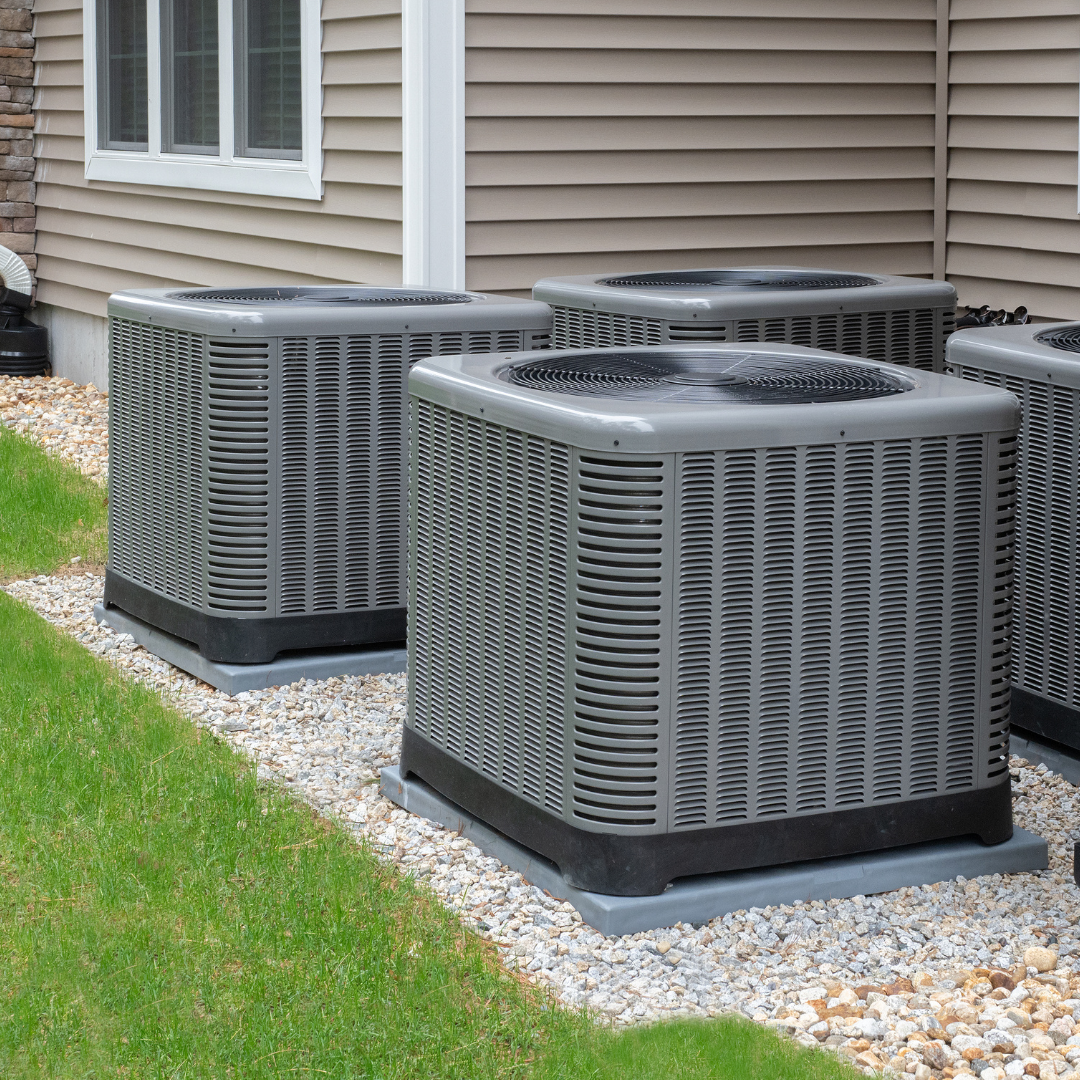
Many Florida homes use heat pumps, which are efficient in mild climates. However, heat pumps often run in shorter cycles during winter. When heating cycles are brief, they may not remove enough moisture from the air. The result is air that feels warm but still damp.
Short cycling can also prevent air from circulating evenly, which leads to inconsistent temperatures throughout the home.
Poor Airflow and Duct Leaks
Airflow problems are another common reason homes feel clammy. Leaky ductwork, blocked vents, or dirty air filters restrict air movement. When airflow is limited, warm air does not reach every room effectively.
If ducts run through attics or crawl spaces, leaks can pull in cool, humid air from outside the living space. This adds moisture and reduces overall comfort.
Insufficient Insulation
Insulation plays a major role in maintaining indoor comfort. If insulation is inadequate, cold outdoor air can seep into walls, ceilings, and floors. Even if your HVAC system is producing warm air, the surrounding surfaces may remain cool, which makes the entire home feel colder.
Cold surfaces combined with humidity create the damp and clammy feeling many homeowners notice in winter.
Thermostat Settings and Expectations
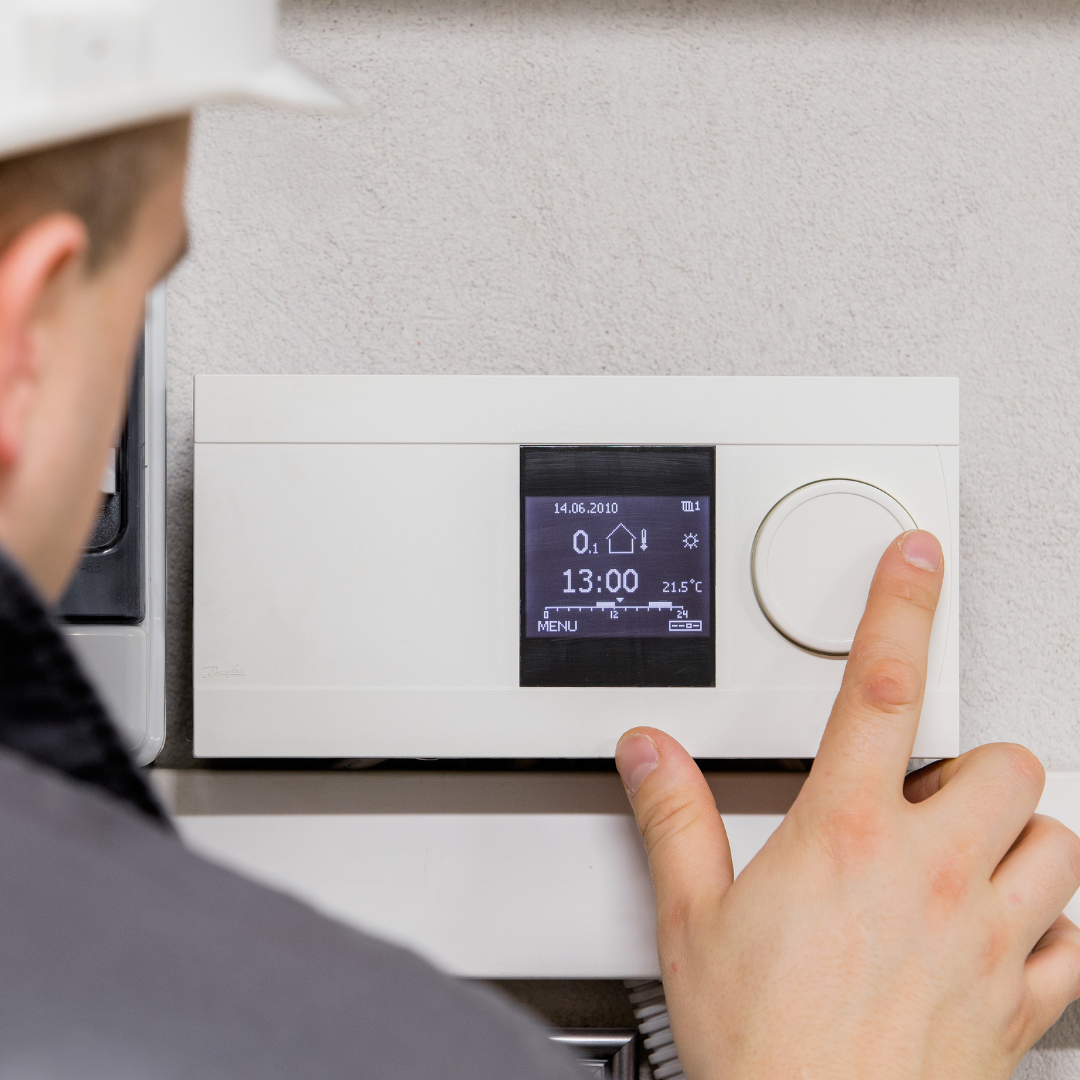
In mild winter weather, homeowners sometimes set their thermostat higher than necessary, expecting the home to feel instantly warmer. Heat pumps work gradually, and raising the temperature too much can cause longer run times without improving comfort.
Balanced thermostat settings and steady operation help maintain a more consistent indoor environment.
How to Restore Warm and Cozy Comfort
Improving comfort starts with checking airflow, replacing air filters, and ensuring ductwork is properly sealed. Managing indoor humidity is also essential. In some cases, a whole home dehumidifier can help regulate moisture levels year round.
Professional HVAC maintenance can identify hidden issues that contribute to poor winter comfort. Proper system performance, balanced airflow, and controlled humidity all work together to create a warm and inviting home.
FAQ
Why does my house feel damp even when the heat is on?
High indoor humidity combined with short heating cycles can leave air feeling damp even when the temperature is set correctly.
Can humidity make my home feel colder?
Yes, humidity reduces your body’s ability to retain warmth, which makes the air feel cooler and less comfortable.
Why are some rooms colder than others in winter?
Uneven heating is often caused by airflow problems, duct leaks, or insulation issues.
Do heat pumps cause clammy air?
Heat pumps can contribute to humidity problems if they short cycle or if the system is not properly maintained.
How can I make my home feel warmer without raising the thermostat?
Improving insulation, sealing ductwork, replacing air filters, and controlling humidity can all improve comfort without increasing energy use.
Should I schedule HVAC service if my home feels clammy?
Yes, a professional inspection can identify airflow, humidity, or efficiency issues that are affecting your comfort.