
Why Does My AC Freeze Up in Hot Weather?
Share
It may seem strange, but one of the most common air conditioning problems during a Florida summer is a frozen AC unit. Many homeowners assume that ice on an air conditioner means the system is working extra hard to cool the home. In reality, a frozen AC is a sign that something is wrong.
When ice forms on your indoor evaporator coil or refrigerant lines, your system's ability to cool your home drops significantly. If left untreated, a frozen AC can lead to expensive repairs and uncomfortable indoor temperatures.
Understanding why your AC freezes up can help you address the problem before it becomes more serious.
Restricted Airflow Is a Common Cause
Your air conditioner depends on a steady flow of warm air moving across the evaporator coil. When airflow becomes restricted, the coil can become too cold and begin to freeze.
Dirty air filters are one of the most common causes of restricted airflow. Clogged filters prevent enough air from reaching the coil, allowing ice to develop. Closed vents, blocked return grilles, and dirty ductwork can create similar problems.
Regularly replacing your air filter and ensuring proper airflow throughout your home can help prevent freezing issues.
Low Refrigerant Levels
Low refrigerant is another common cause of frozen AC coils. Refrigerant absorbs heat from your home's air. When refrigerant levels are too low due to a leak, pressure inside the system drops.
This pressure change can cause the evaporator coil to become excessively cold, allowing moisture in the air to freeze on the coil's surface. As ice builds up, cooling performance decreases even further.
If low refrigerant is the cause, professional HVAC service is required to locate and repair the leak before adding refrigerant.
Dirty Evaporator Coils
Over time, evaporator coils collect dust, dirt, and debris. This buildup acts as insulation, reducing the coil's ability to absorb heat from the air.
When heat transfer becomes restricted, the coil temperature can drop below freezing, causing ice to form. Routine HVAC maintenance helps keep coils clean and operating efficiently.
Blower Fan Problems
The blower fan is responsible for moving air across the evaporator coil. If the blower motor is failing or the fan is not operating correctly, airflow decreases significantly.
Without enough warm air moving across the coil, freezing can occur even on the hottest days of the year.
Running the Thermostat Too Low
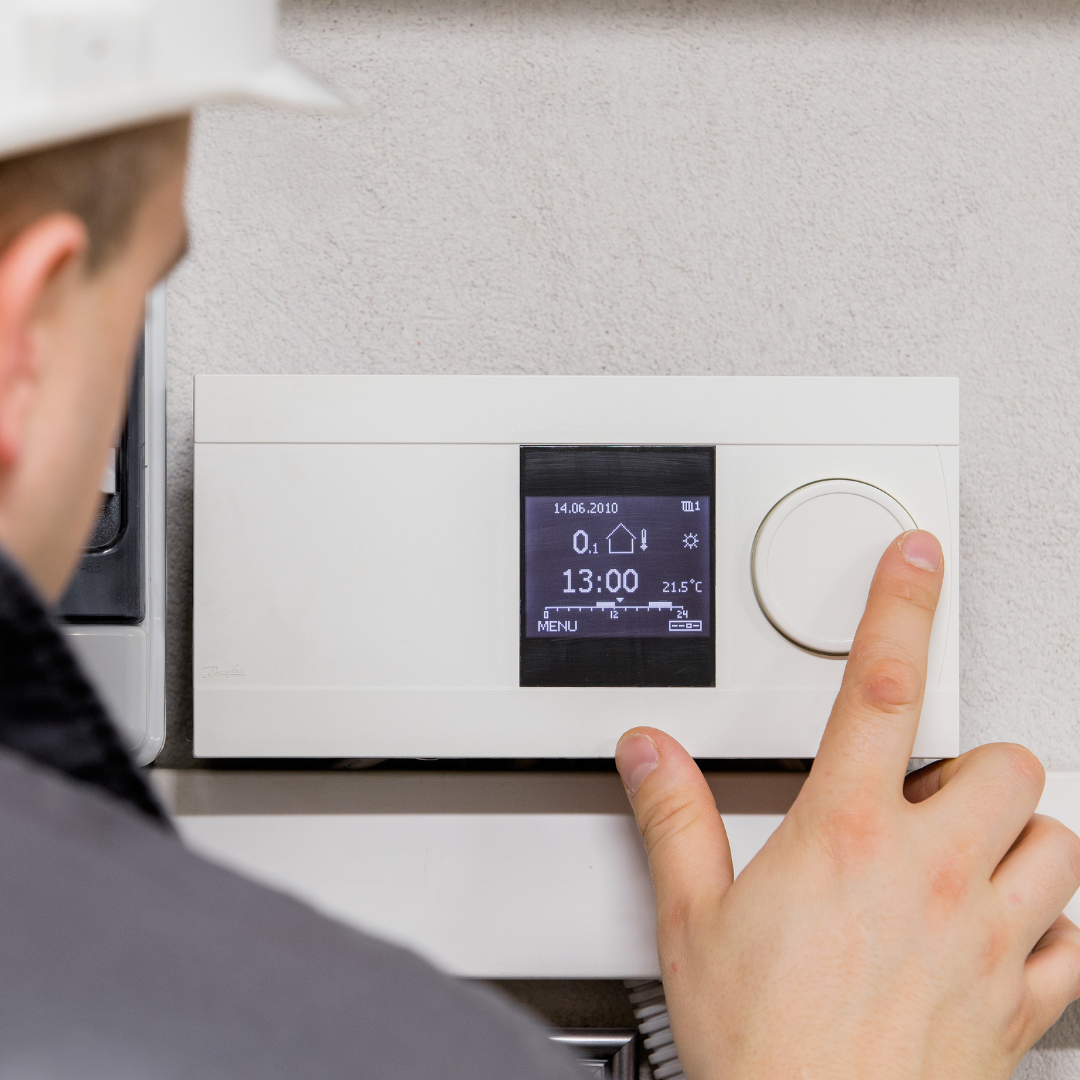
Many homeowners try to cool their homes quickly by setting the thermostat much lower than normal. While this does not cool the home faster, it can force the system to run for extended periods.
Combined with airflow or refrigerant issues, extremely low thermostat settings can increase the likelihood of freezing problems.
Florida Humidity Can Make the Problem Worse
Florida's high humidity means there is plenty of moisture in the air. When an AC system begins experiencing airflow or refrigerant problems, this moisture can quickly freeze onto the evaporator coil.
What starts as a small patch of ice can grow into a larger blockage that restricts airflow even further and worsens the problem.
What To Do If Your AC Freezes Up
If you notice ice on your AC system, turn the cooling mode off and allow the ice to melt completely. Continuing to run a frozen system can cause damage to important components.
After the ice melts, check the air filter and make sure vents are open and unobstructed. If the problem returns, professional service is recommended to diagnose the underlying cause.
Addressing a frozen AC early can prevent larger repairs and help keep your home comfortable throughout the summer.
FAQ
Why is my AC freezing up when it is over 90 degrees outside?
A frozen AC is usually caused by restricted airflow, low refrigerant levels, dirty coils, or blower fan problems rather than outdoor temperatures.
Can a dirty air filter cause my AC to freeze?
Yes. Dirty air filters restrict airflow across the evaporator coil, which can cause the coil temperature to drop below freezing.
Will a frozen AC fix itself?
The ice may eventually melt, but the underlying problem will still exist. Without correcting the cause, the freezing will likely happen again.
Should I turn off my AC if it freezes up?
Yes. Turning off the cooling system allows the ice to melt and helps prevent additional damage to the equipment.
Can low refrigerant cause ice on my AC unit?
Yes. Low refrigerant levels reduce system pressure and can cause the evaporator coil to become cold enough for ice to form.
How do I prevent my AC from freezing up?
Regular maintenance, clean air filters, proper airflow, and prompt repairs help prevent frozen coils and keep your system operating efficiently.
Is a frozen AC considered an emergency?
While it may not always be an emergency, a frozen AC should be addressed quickly to avoid compressor damage, reduced cooling performance, and higher repair costs.