
How to Tell If Your HVAC System Is Overheating
Share
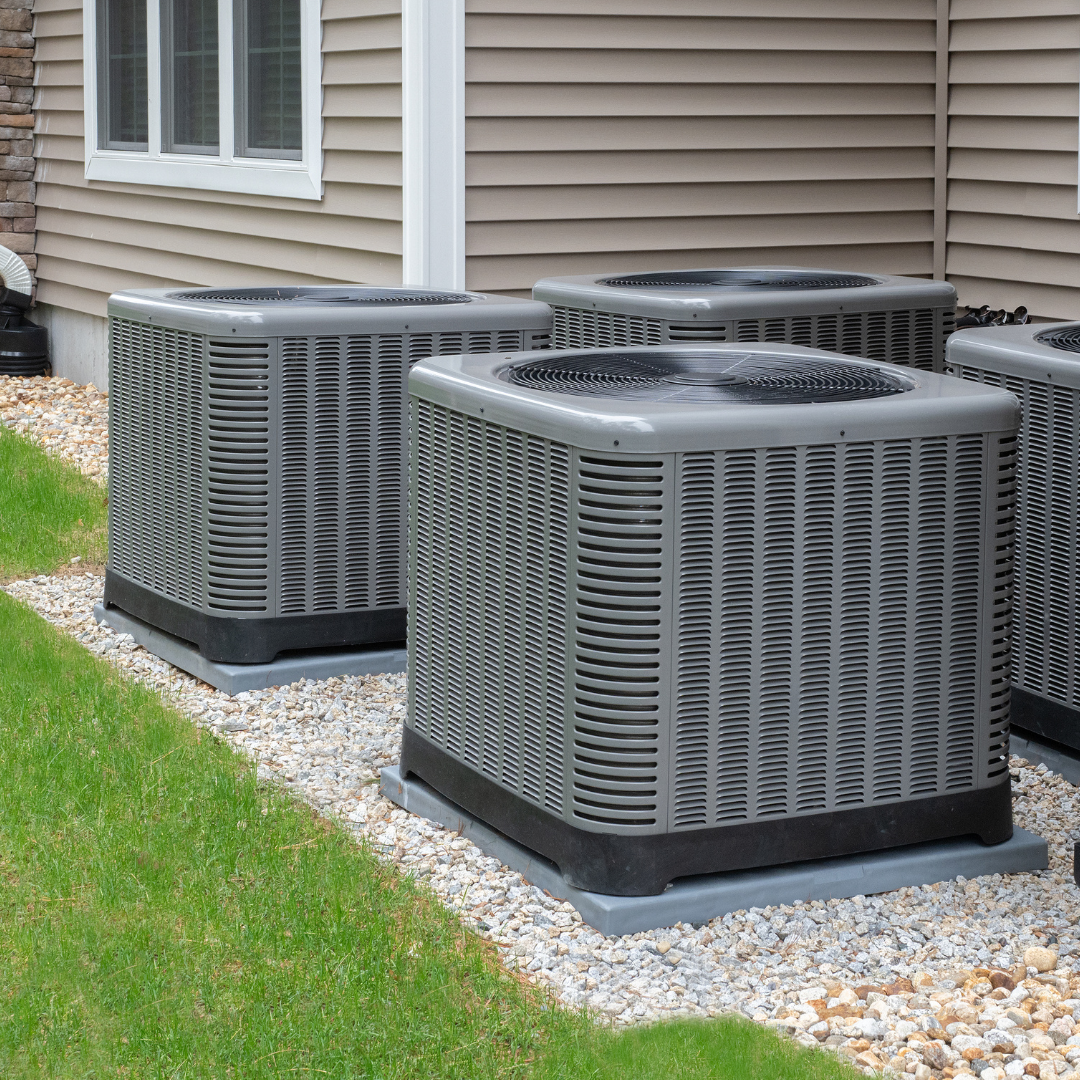
Your HVAC system is designed to run for long periods, especially in Florida homes where heating and cooling demands can fluctuate. However, when your system starts overheating, it can lead to serious damage, safety concerns, and unexpected breakdowns. Knowing the early warning signs can help you prevent expensive repairs and extend the life of your system.
Overheating often happens gradually, which means homeowners may not realize there is a problem until the system shuts down or stops working entirely. Paying attention to how your system sounds, smells, and performs can make all the difference.
Frequent System Shutdowns
One of the most common signs of an overheating HVAC system is frequent shutdowns. If your system turns off unexpectedly and then restarts after a short period, it may be overheating and triggering a safety switch. This feature is designed to protect your system, but repeated overheating can still cause long term damage.
Burning or Unusual Odors
Unusual smells are another warning sign. A burning odor that smells like hot plastic or electrical components can indicate overheating wiring or motors. If the smell is strong or persistent, it is best to turn the system off and contact a professional immediately.
Strange Noises During Operation
Overheating components often struggle to operate normally. Grinding, rattling, or loud humming noises may indicate that internal parts are under stress. These sounds should never be ignored, especially if they appear suddenly.
Weak Airflow From Vents
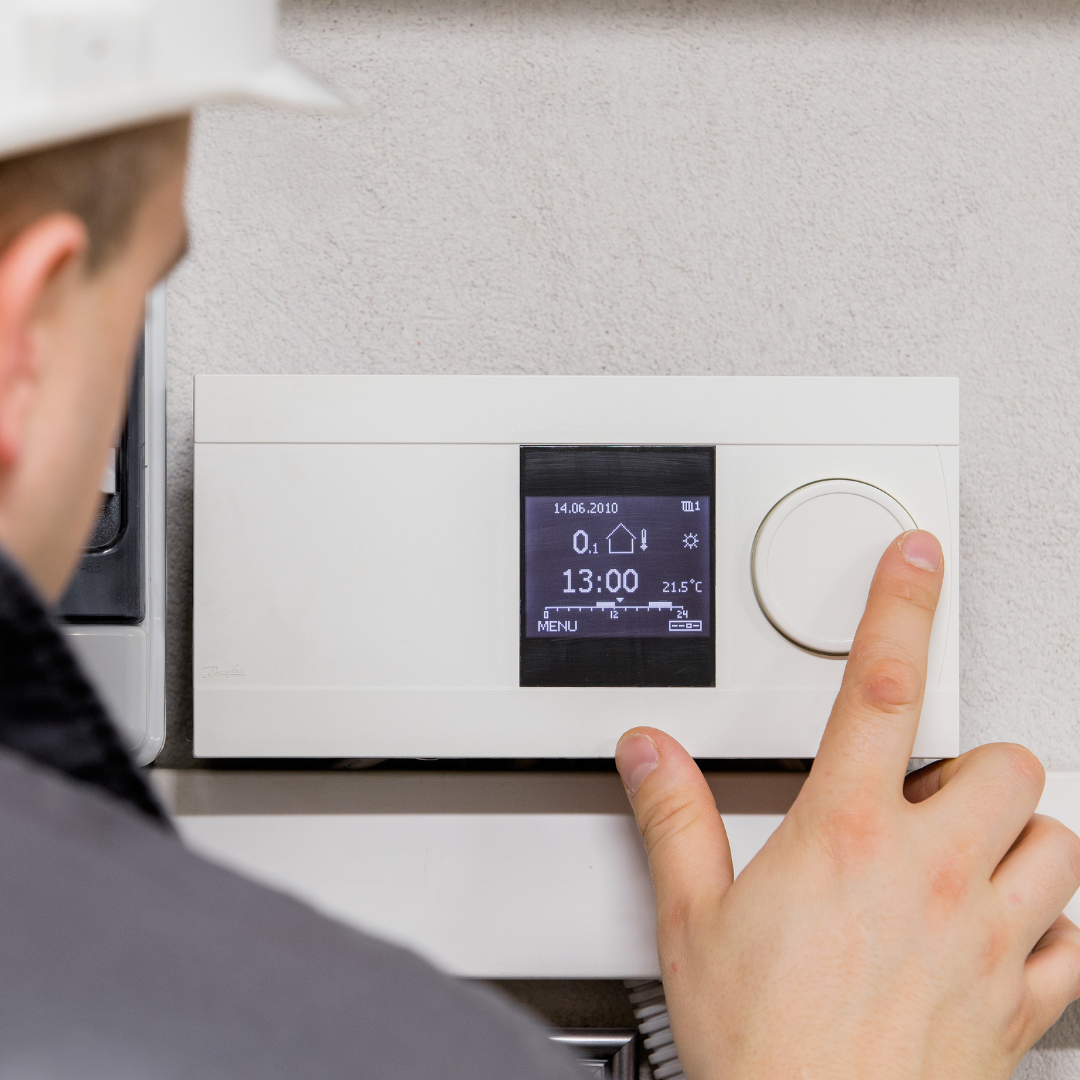
When an HVAC system overheats, airflow can become restricted. You may notice weak air coming from your vents or rooms that never seem to reach the thermostat setting. This often points to clogged filters, dirty coils, or internal components that are working too hard.
Unexpected Increases in Energy Bills
An overheating system often runs inefficiently. As it works harder to maintain comfort, energy usage increases. This can result in higher utility bills even when outdoor temperatures are mild.
Common Causes of HVAC Overheating in Florida Homes
In many Florida homes, overheating is caused by restricted airflow, dirty components, or skipped maintenance. Clogged air filters are one of the most common causes. Dirty coils, failing motors, and electrical issues can also contribute to overheating problems.
Routine maintenance plays a critical role in preventing overheating. Regular inspections allow technicians to identify small issues before they turn into major repairs. Simple habits like changing filters regularly and keeping vents clear can also reduce system strain.
Ignoring the signs of overheating can shorten the lifespan of your HVAC system and lead to costly repairs. If you notice warning signs, addressing the issue early can save you time, money, and discomfort.
FAQ
What causes an HVAC system to overheat?
Overheating is often caused by restricted airflow, dirty air filters, clogged coils, failing motors, or electrical problems. Lack of regular maintenance is one of the most common reasons.
Is it dangerous if my HVAC system overheats?
Yes, overheating can damage internal components and, in some cases, create electrical or fire hazards. It is important to have the issue inspected as soon as possible.
Why does my HVAC system keep shutting off by itself?
Frequent shutdowns usually happen when the system overheats and triggers a safety switch. This protects the equipment but signals an underlying issue that needs professional attention.
Can dirty air filters cause overheating?
Yes, dirty air filters restrict airflow, which traps heat inside the system and can cause it to overheat. Regular filter changes are essential.
Should I turn off my HVAC system if I think it is overheating?
If you notice burning smells, loud noises, or repeated shutdowns, turning the system off can help prevent further damage until a technician inspects it.